
The Value of an AC System to Many US Households
Air conditioning has become an essential feature in homes throughout the United States, shaping how people live, work, and stay comfortable during increasingly warm seasons. Reliable cooling technology has transformed indoor environments, allowing families to maintain consistent temperatures and healthier living conditions throughout the year. From improving everyday comfort to influencing housing markets and economic activity, the modern AC system plays a significant role in residential life.
The growing presence of cooling technology reflects both environmental realities and evolving expectations for indoor comfort. According to the US Department of Energy, 88% of homes in the United States have air conditioning, and 66% have central systems. This widespread adoption highlights how essential cooling has become in maintaining safe, comfortable homes during hot weather. Beyond simple temperature control, the modern AC system supports healthier air quality, improved productivity, and long-term property value.
Understanding the Evolution of Cooling Technology
The development of modern cooling technology dramatically changed indoor living conditions in the United States. Early air conditioning units were introduced in the early twentieth century, originally designed to regulate humidity and protect manufacturing processes. Over time, engineers improved the technology, making residential cooling more efficient and accessible. As production methods improved and costs decreased, installing an AC system became a practical solution for homeowners seeking comfort during the summer months.
As cooling technology advanced, its role expanded beyond simple temperature control. Modern systems now incorporate improved filtration, humidity management, and energy-efficient components designed to reduce operating costs. These innovations have allowed the AC system to become more environmentally responsible while maintaining strong cooling performance. Today's homeowners benefit from systems that combine comfort, efficiency, and improved indoor air quality.
The widespread availability of cooling also influenced building design and residential development. Homes are now constructed with integrated cooling systems in mind, allowing architects to design larger living spaces and more flexible floor plans. This shift reflects how integral the AC system has become to modern housing design, supporting comfort while shaping how homes are built and lived in across the country.
Expanding Comfort and Indoor Living Possibilities
One of the most noticeable advantages of installing an AC system is the consistent comfort it provides throughout the home. During hot and humid months, indoor temperatures can quickly become uncomfortable or even unsafe. A reliable cooling system stabilizes indoor conditions, creating a pleasant environment where families can relax, sleep, and carry out daily activities without the stress of excessive heat.
Improved indoor comfort also allows homeowners to make greater use of their living spaces. Rooms that might otherwise become too warm during the summer can remain functional and inviting. Bedrooms, home offices, and entertainment areas benefit greatly from stable indoor temperatures, allowing families to maintain productivity and relaxation without disruption from extreme weather.
Consistent cooling also contributes to better sleep quality and overall comfort during the warmest times of the year. Maintaining a comfortable nighttime temperature helps support healthier rest patterns, which in turn improve daily energy and well-being. With the help of a modern AC system, households can maintain an indoor environment that supports both relaxation and productivity regardless of outdoor conditions.
Improving Health and Indoor Air Quality
Temperature control plays a significant role in protecting household health, particularly during extreme heat events. High temperatures can contribute to dehydration, heat exhaustion, and other heat-related illnesses, especially among vulnerable populations such as children and older adults. By maintaining stable indoor conditions, an AC system helps protect families from the potential health risks associated with prolonged exposure to extreme heat.
In addition to cooling, modern air conditioning technology also supports improved indoor air quality. Many systems include built-in filtration that helps capture dust, pollen, and other airborne particles that circulate through the home. These filtration systems contribute to cleaner indoor air, which can be particularly beneficial for individuals with allergies or respiratory sensitivities.
Humidity control is another important benefit provided by air conditioning. Excess moisture in indoor environments can encourage mold growth and create uncomfortable living conditions. A properly functioning AC system helps regulate humidity levels, reducing the risk of moisture-related problems while maintaining a healthier and more balanced indoor atmosphere.
Increasing Property Value and Housing Appeal
Cooling technology has also become a key factor in real estate markets across the United States. Buyers and renters increasingly expect homes to include reliable climate control, especially in regions where summer temperatures can be intense. Properties equipped with an efficient AC system often attract greater interest from prospective buyers because they provide comfort and convenience from the moment residents move in.
Homes with well-maintained cooling systems can also benefit from stronger property values. Real estate professionals frequently highlight modern cooling systems as desirable features during property listings. In warmer climates, the absence of effective cooling can make a home far less competitive, emphasizing the importance of maintaining reliable equipment for both comfort and resale potential.
Rental markets reflect similar trends, as tenants often prioritize properties that offer dependable cooling. Landlords who invest in maintaining or upgrading their AC system may experience lower tenant turnover and greater satisfaction among residents. This demonstrates how climate control technology contributes not only to comfort but also to long-term housing stability and market competitiveness.
Supporting Economic Activity and Workforce Growth
The air conditioning industry contributes significantly to economic activity across the United States. From manufacturing components to installing and servicing equipment, numerous sectors support the development and maintenance of cooling technology. As demand for home cooling continues to grow, businesses involved in producing and maintaining the AC system help drive economic growth and innovation. This ongoing demand encourages technological improvements, equipment upgrades, and expanded service networks that benefit both homeowners and industry professionals.
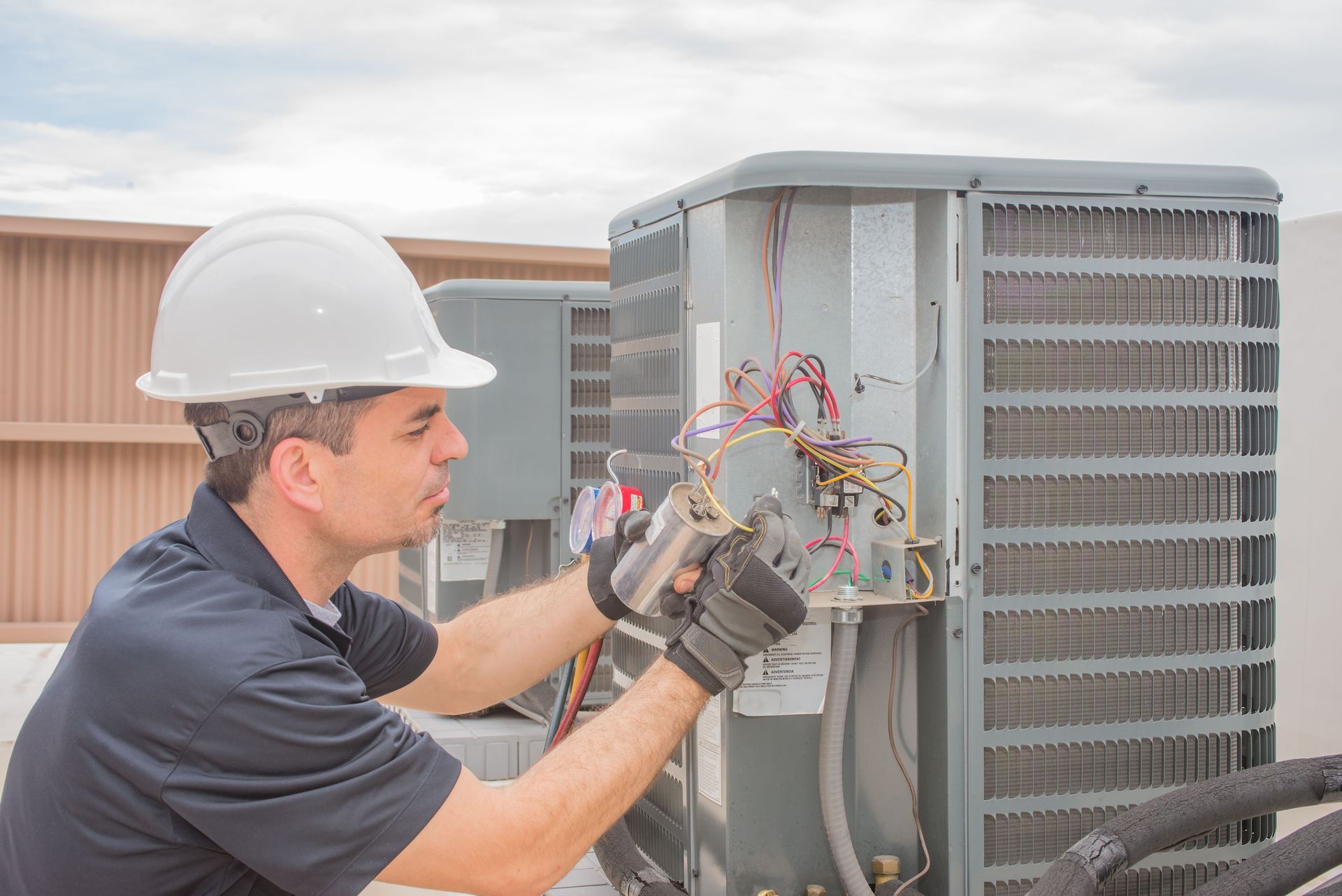
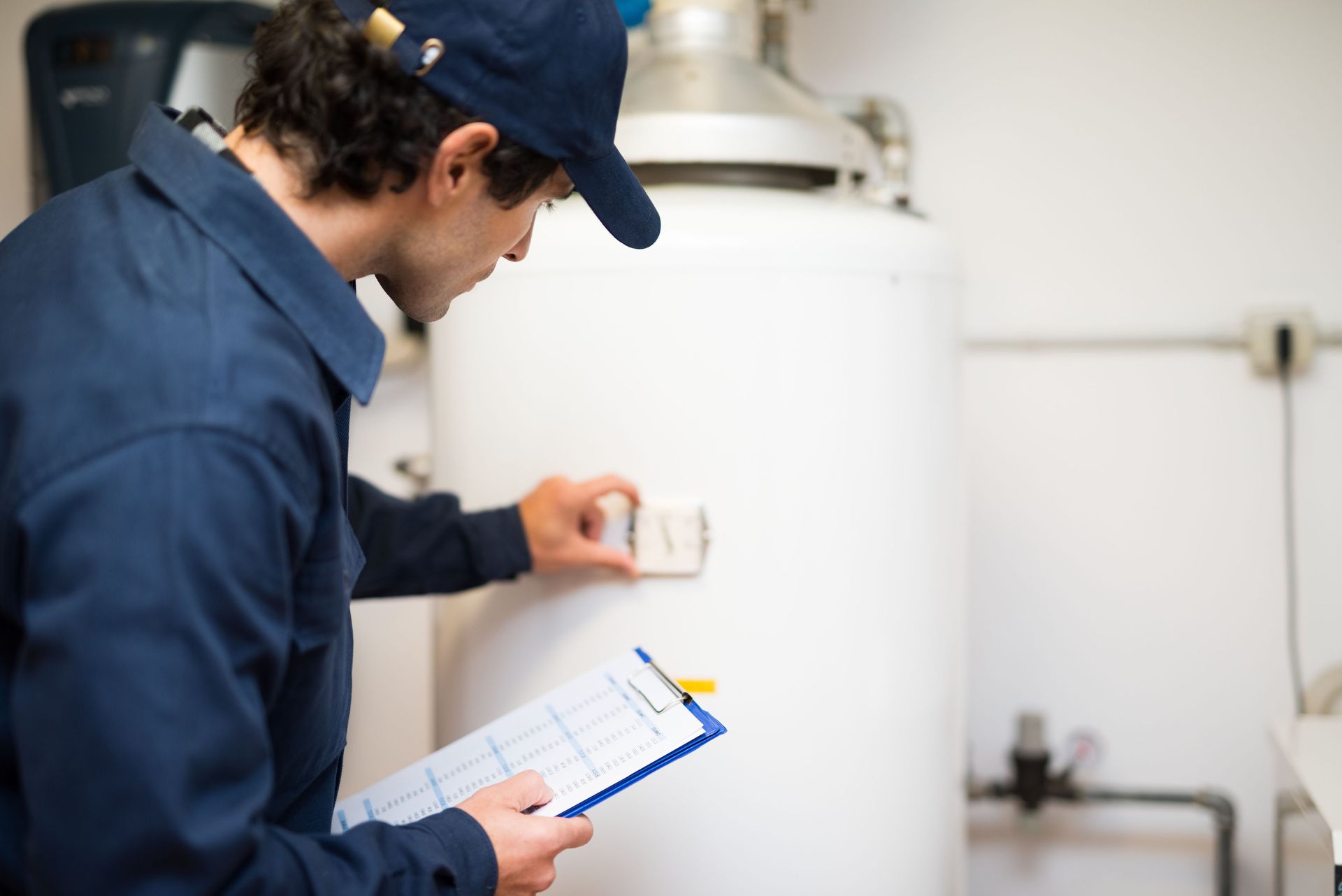
Installation and service professionals play an especially important role in maintaining residential comfort. Skilled technicians ensure systems operate efficiently, troubleshoot performance issues, and help homeowners upgrade to newer, more efficient models when necessary. These services support a wide network of local businesses while providing reliable career opportunities in skilled trades. In many communities, HVAC professionals form the backbone of local service industries that keep homes operating safely and efficiently.
The ongoing development of energy-efficient cooling technology also supports broader sustainability goals. Manufacturers continue to design systems that consume less electricity while maintaining strong performance, helping households reduce energy usage over time. As innovation continues, the AC system remains an important component of both economic development and responsible energy management. Continued investment in research and improved design will further strengthen the industry's ability to balance comfort with environmental responsibility.
Reliable cooling has become a fundamental part of modern living, supporting comfort, health, and economic stability for millions of households. From shaping residential architecture to improving indoor air quality, air conditioning technology has transformed how people experience their homes during warm weather. The AC system now serves as more than a convenience; it functions as essential infrastructure that allows families to remain safe and comfortable throughout the hottest months of the year.
As technology continues to evolve, homeowners can expect cooling systems to become even more efficient, environmentally responsible, and integrated into modern housing design. Maintaining and upgrading these systems ensures long-term comfort while supporting healthier indoor environments for families. For more information about the services that we offer, reach out to our incredible team at Precision Heating & Gas Service today!
Share On: